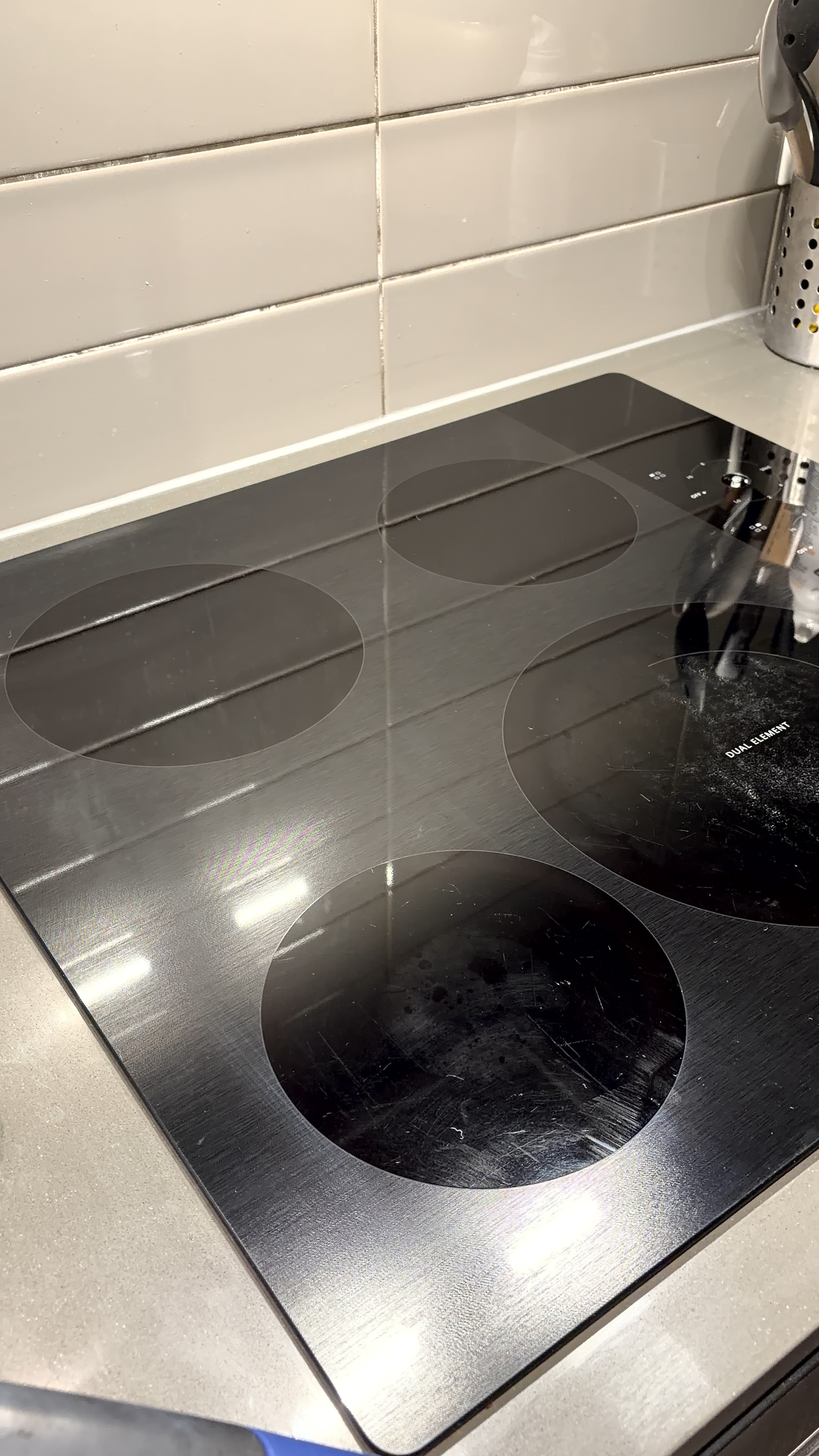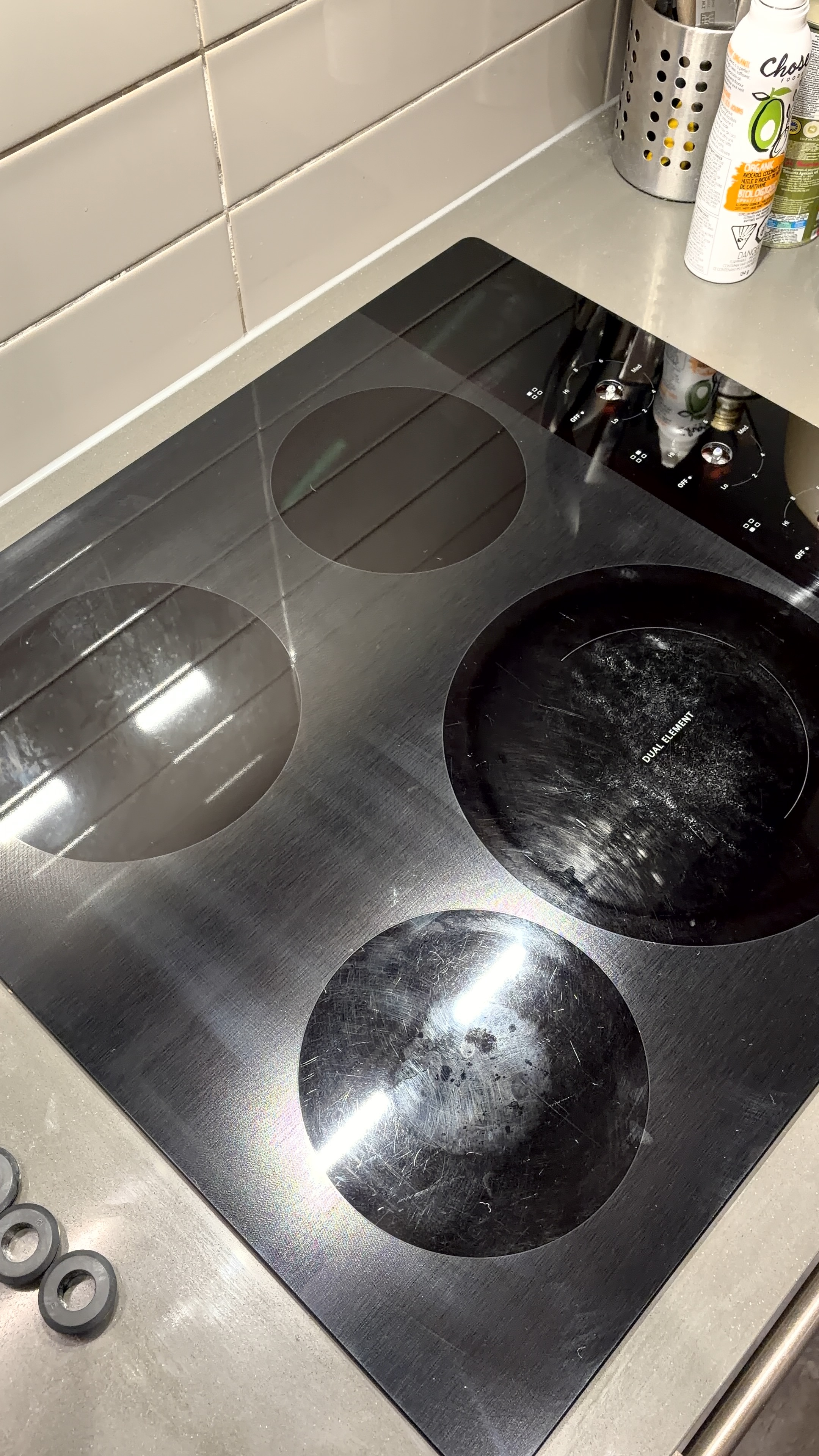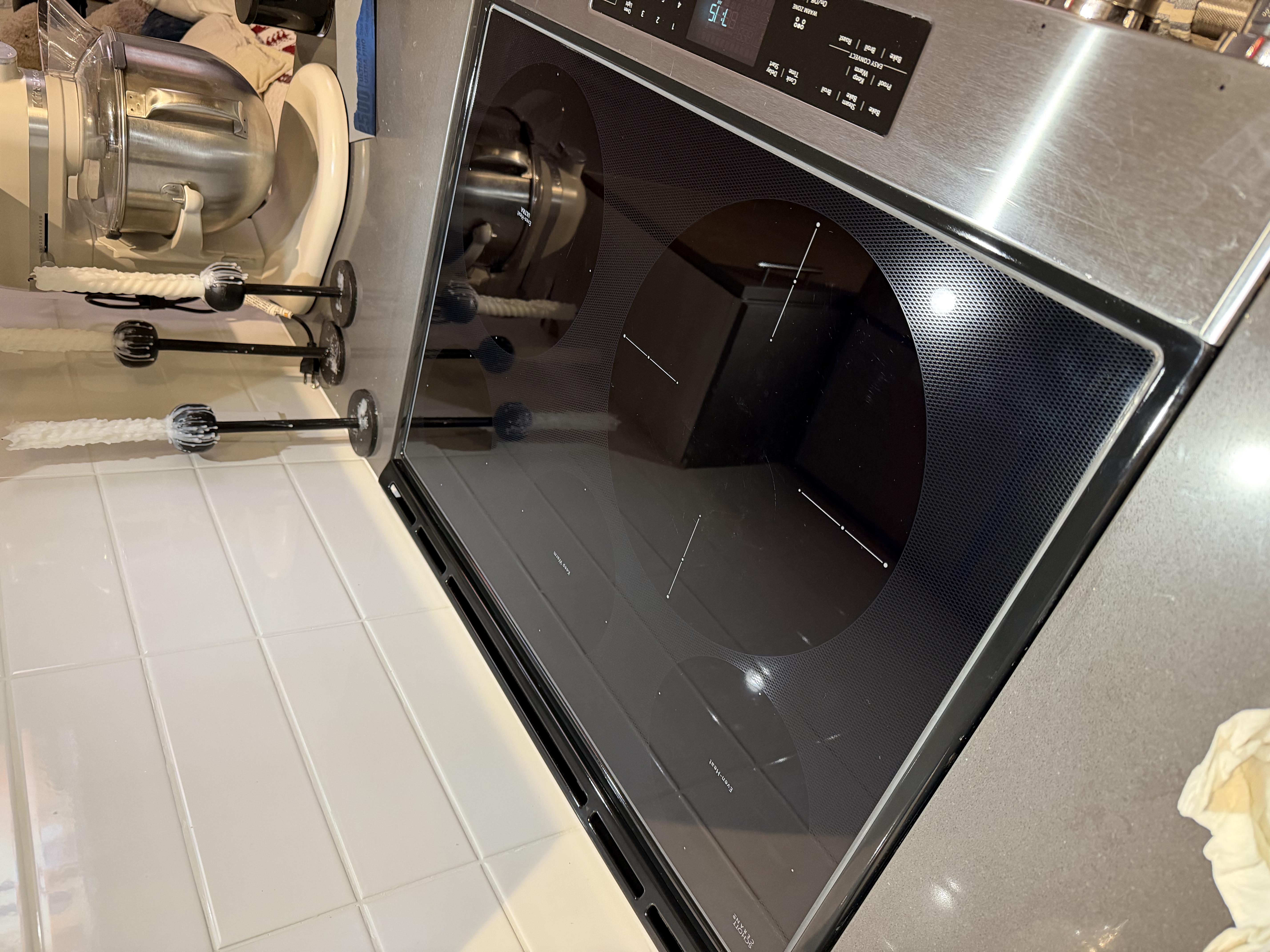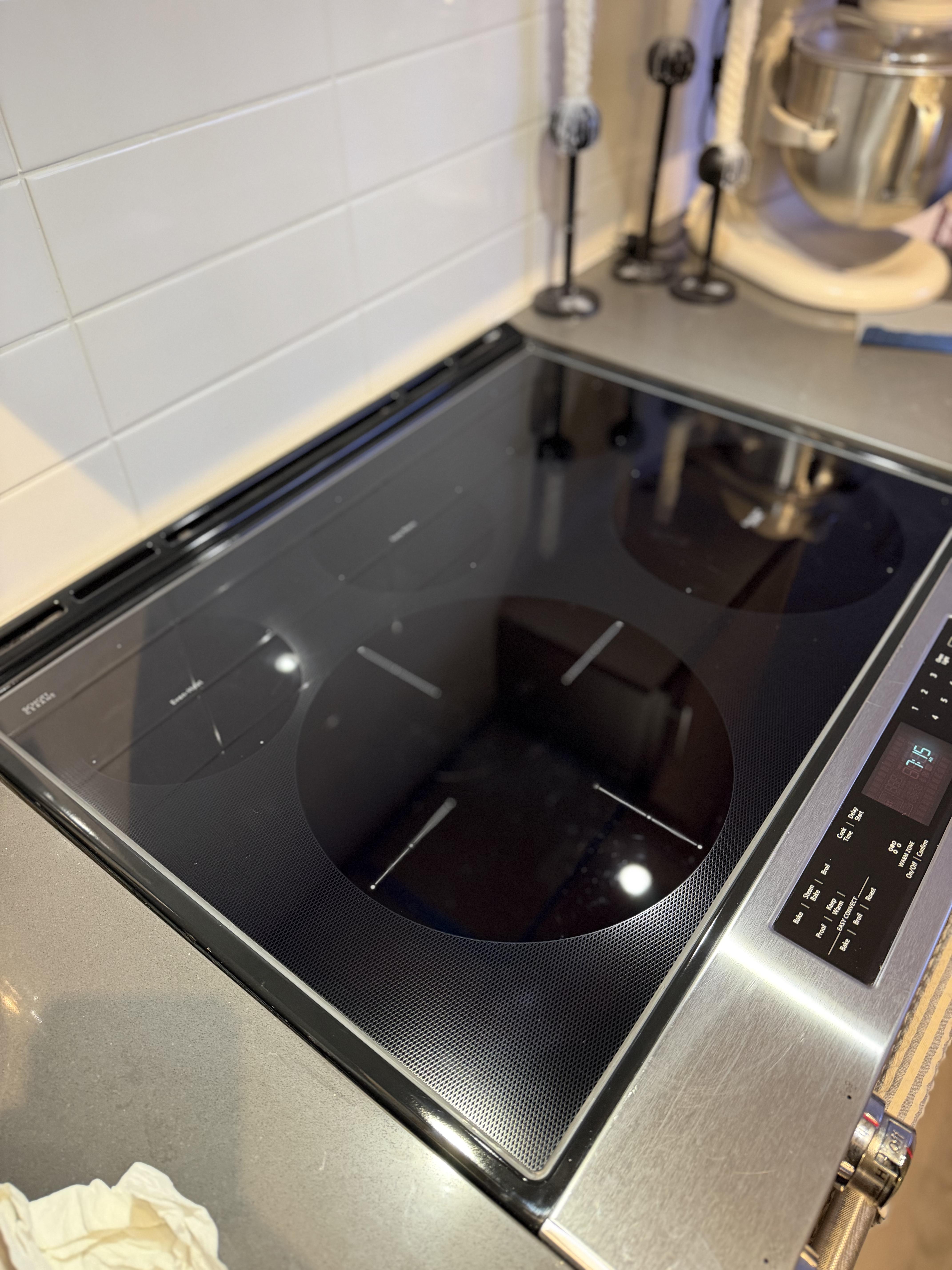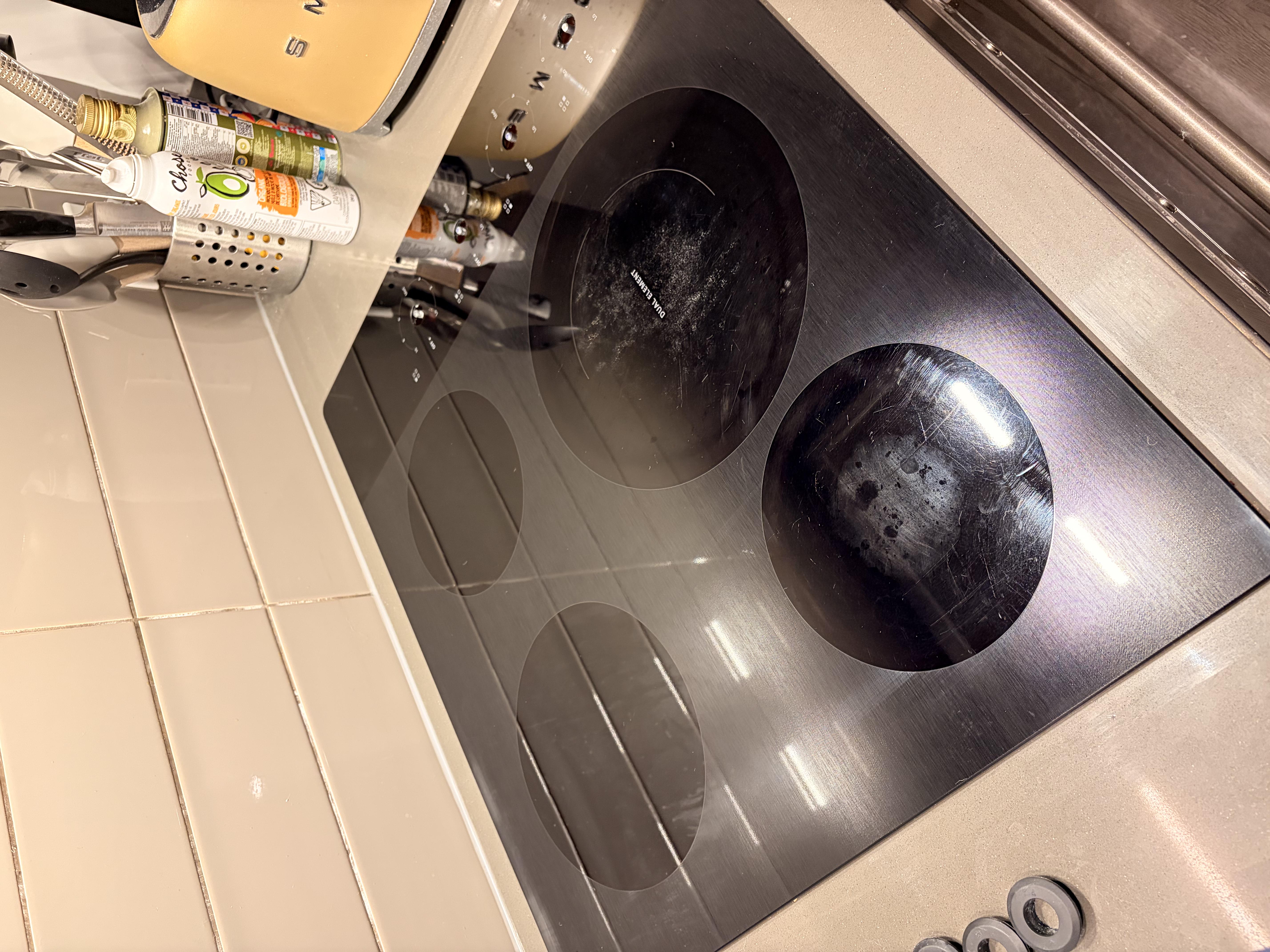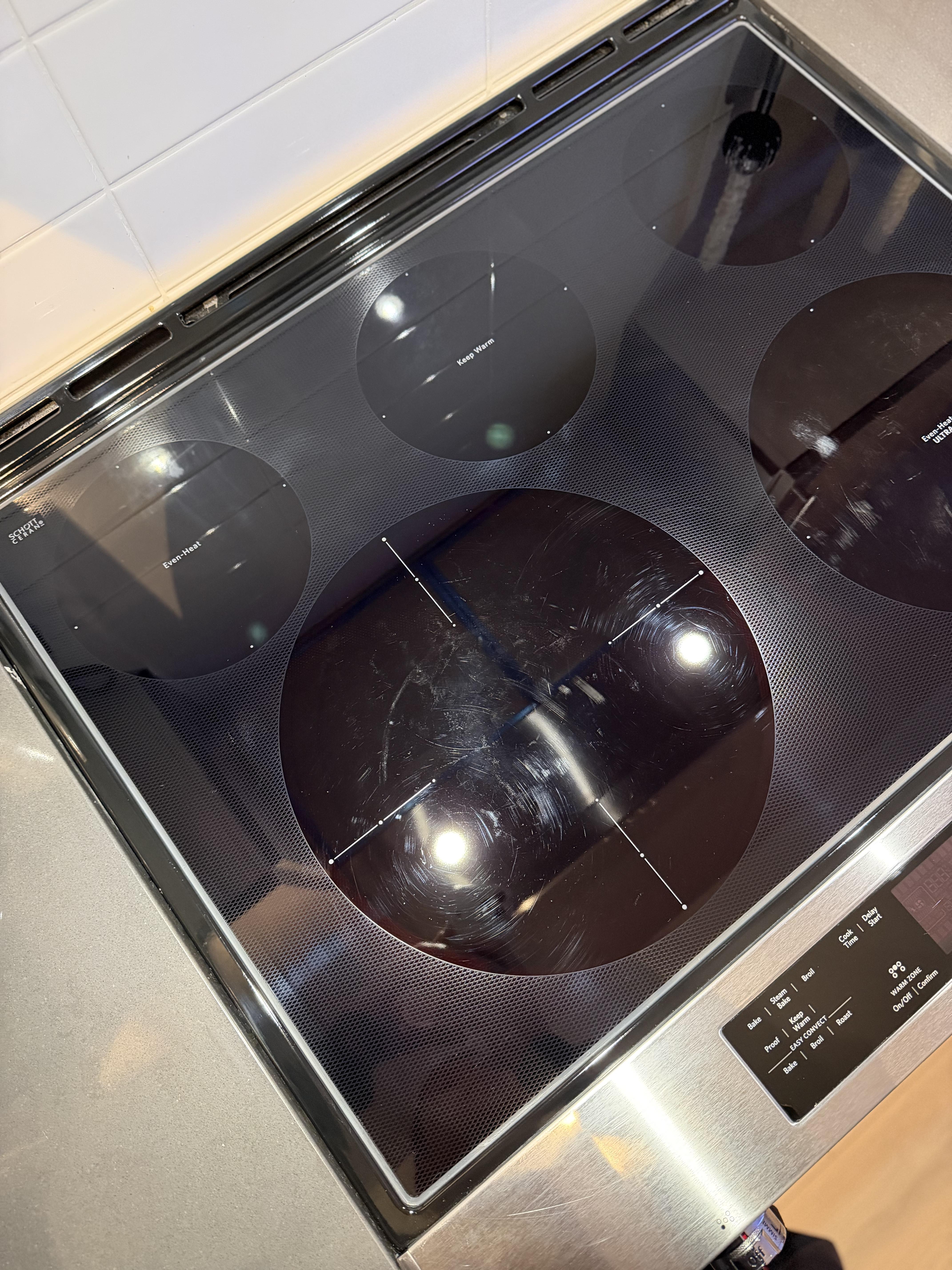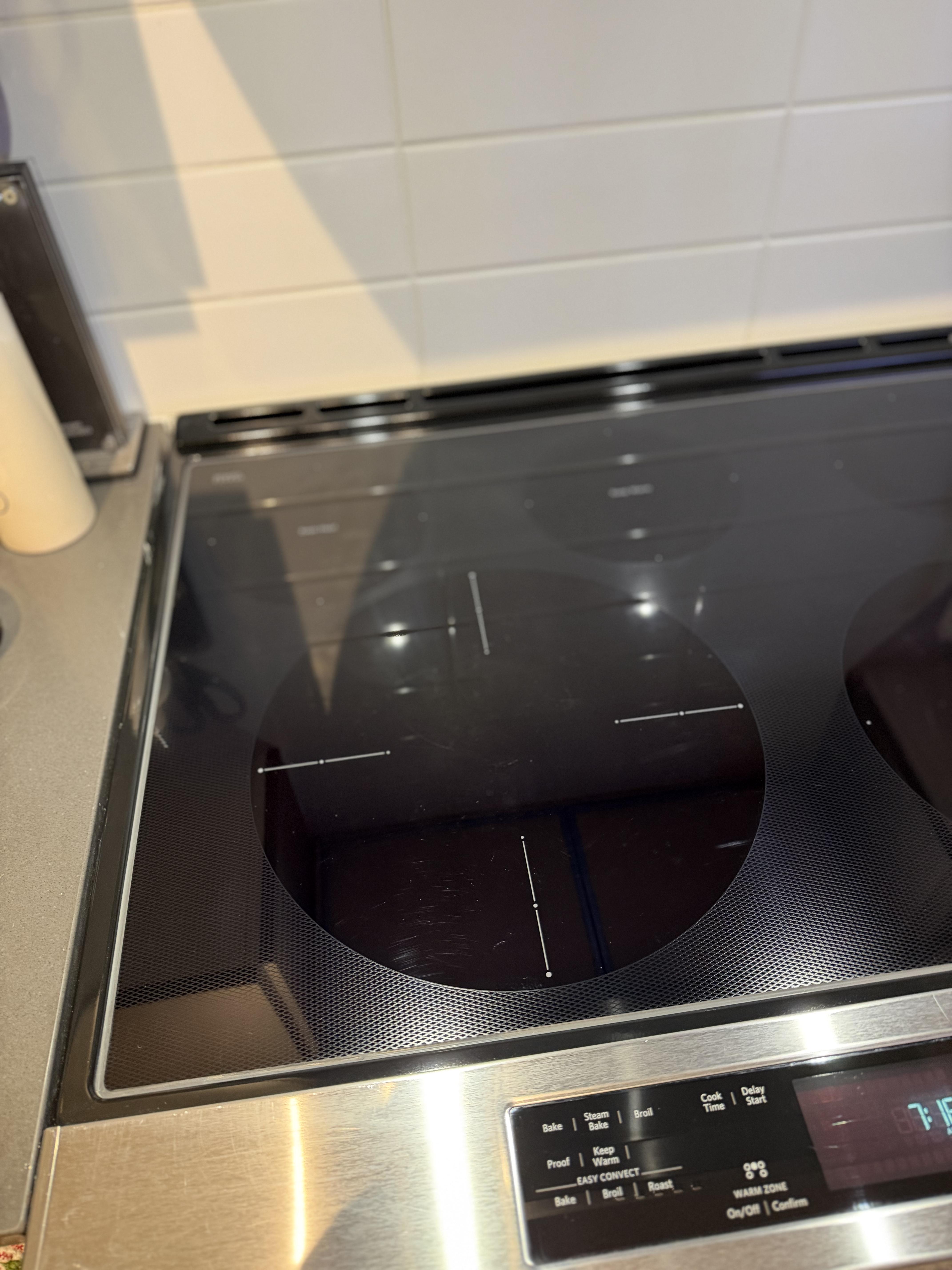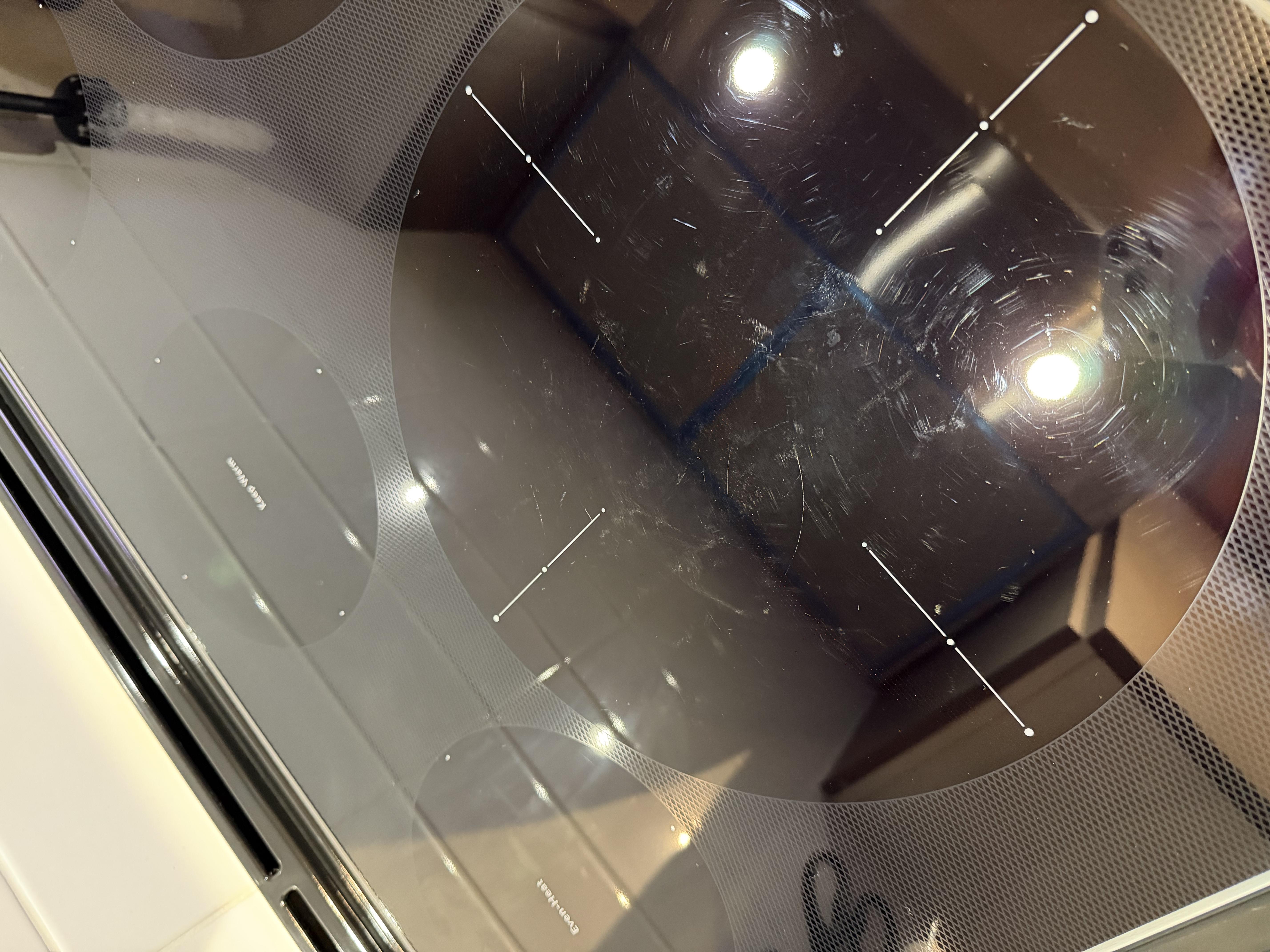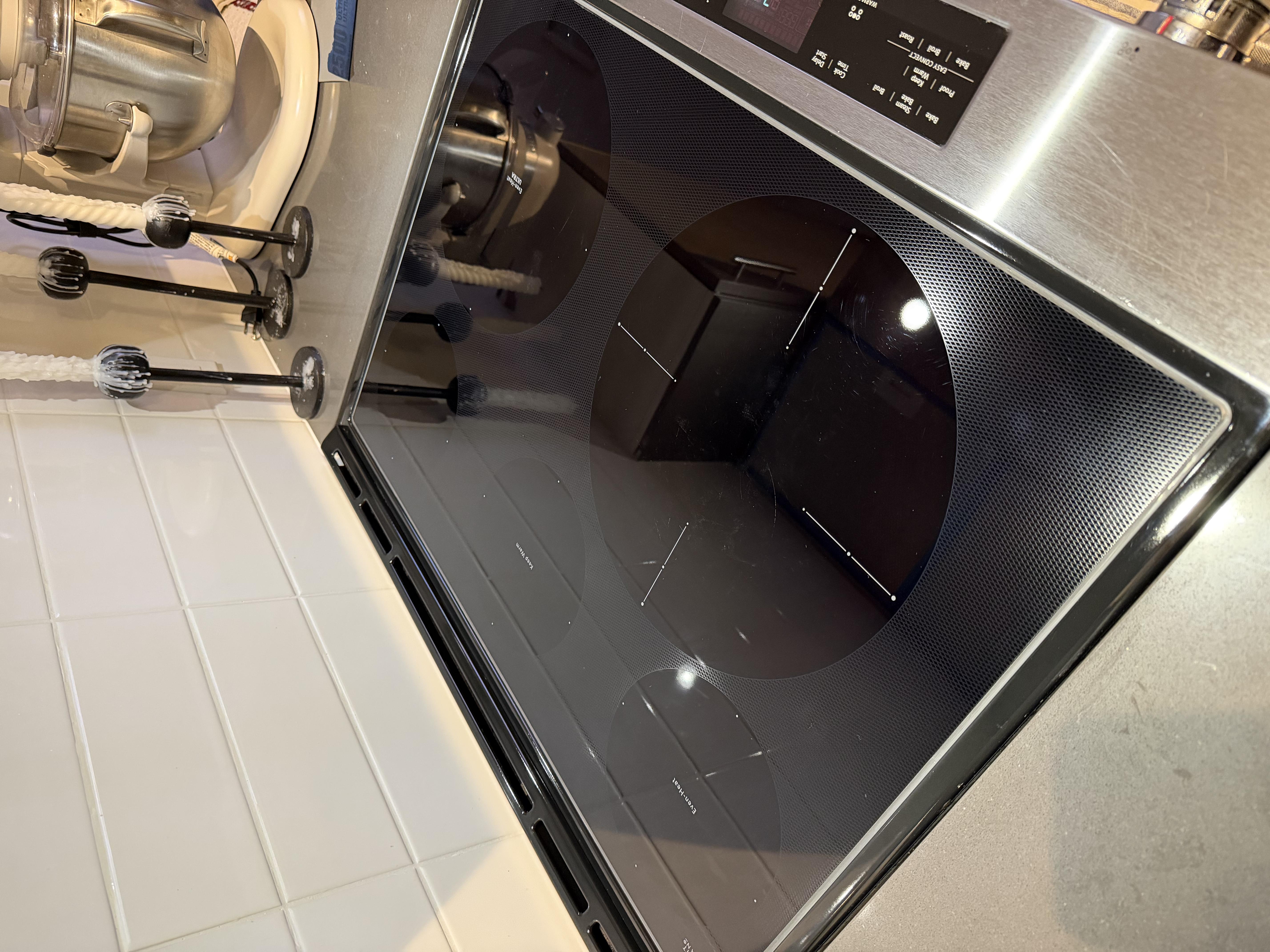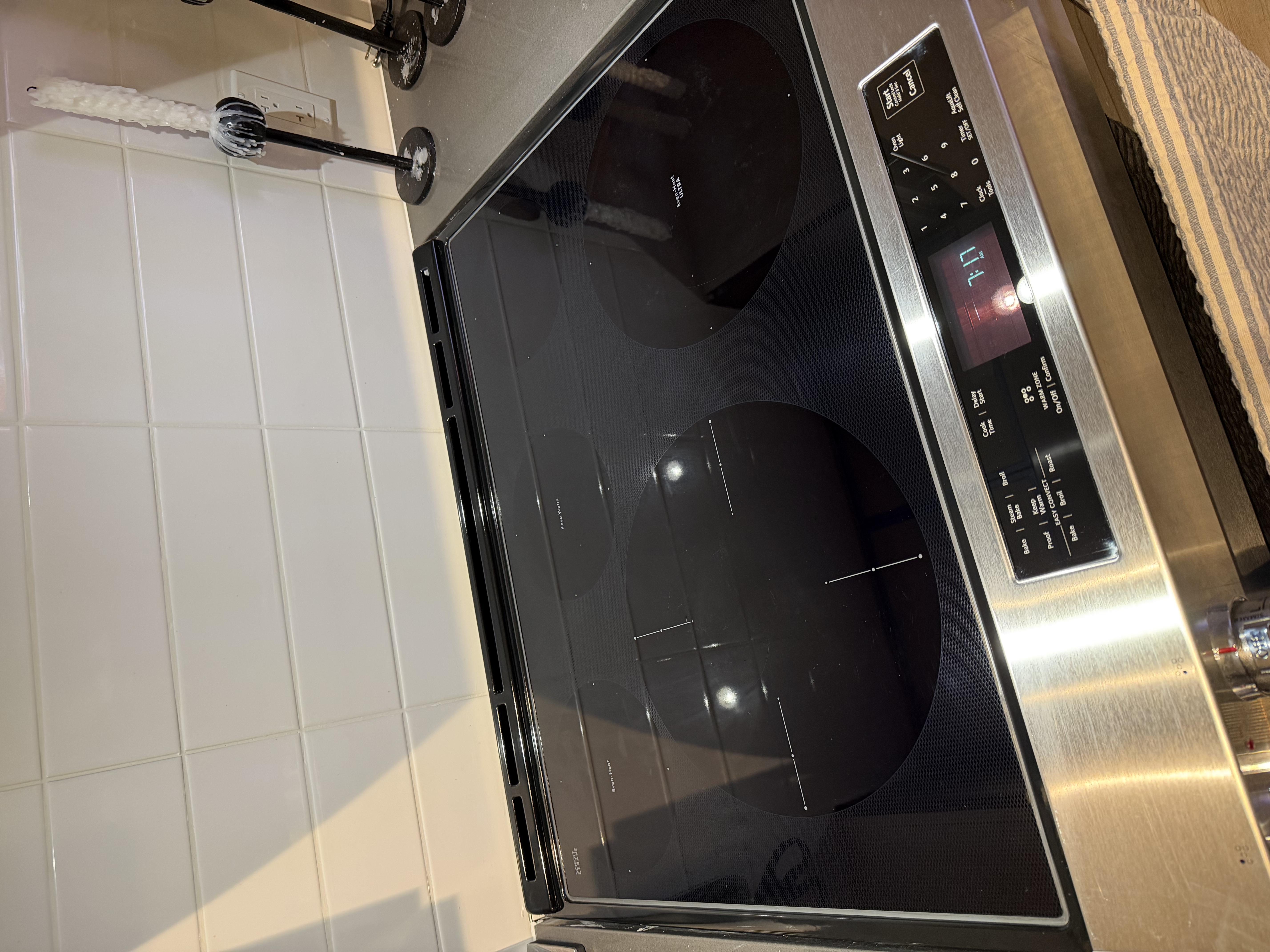
Polishing glass-ceramic plates
Polishing Glass-Ceramic Cooktops: A Guide to Maintenance and Care
Glass-ceramic cooktops are a popular choice for modern kitchens due to their sleek appearance and efficient cooking capabilities. However, with regular use, these surfaces can develop minor scratches and lose their original shine. Polishing glass-ceramic cooktops is essential not only for aesthetic purposes but also for maintaining functionality and longevity. This article explores the polishing process, the tools required, and the benefits of keeping your cooktop in pristine condition.
Understanding the Importance of Polishing
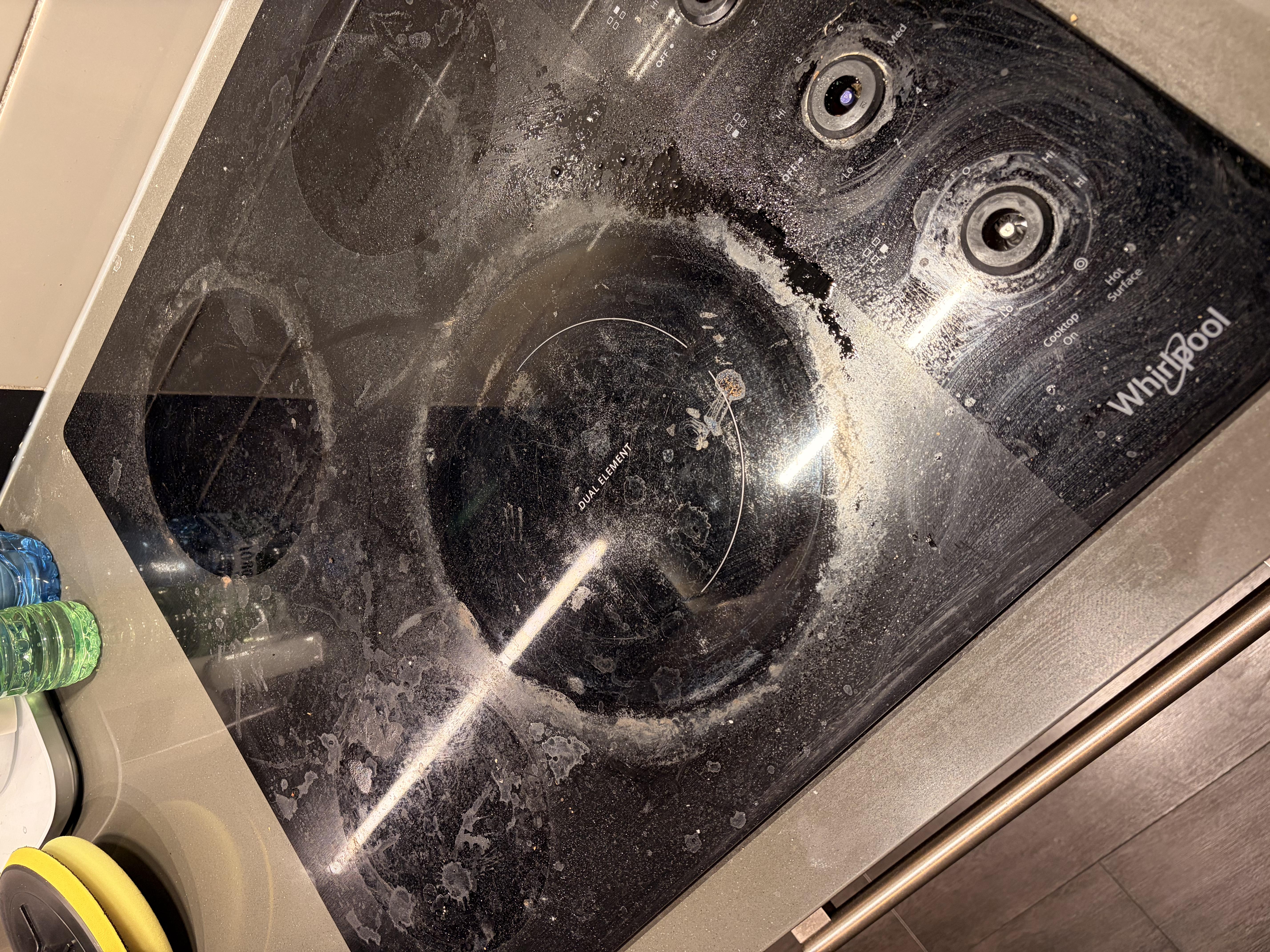
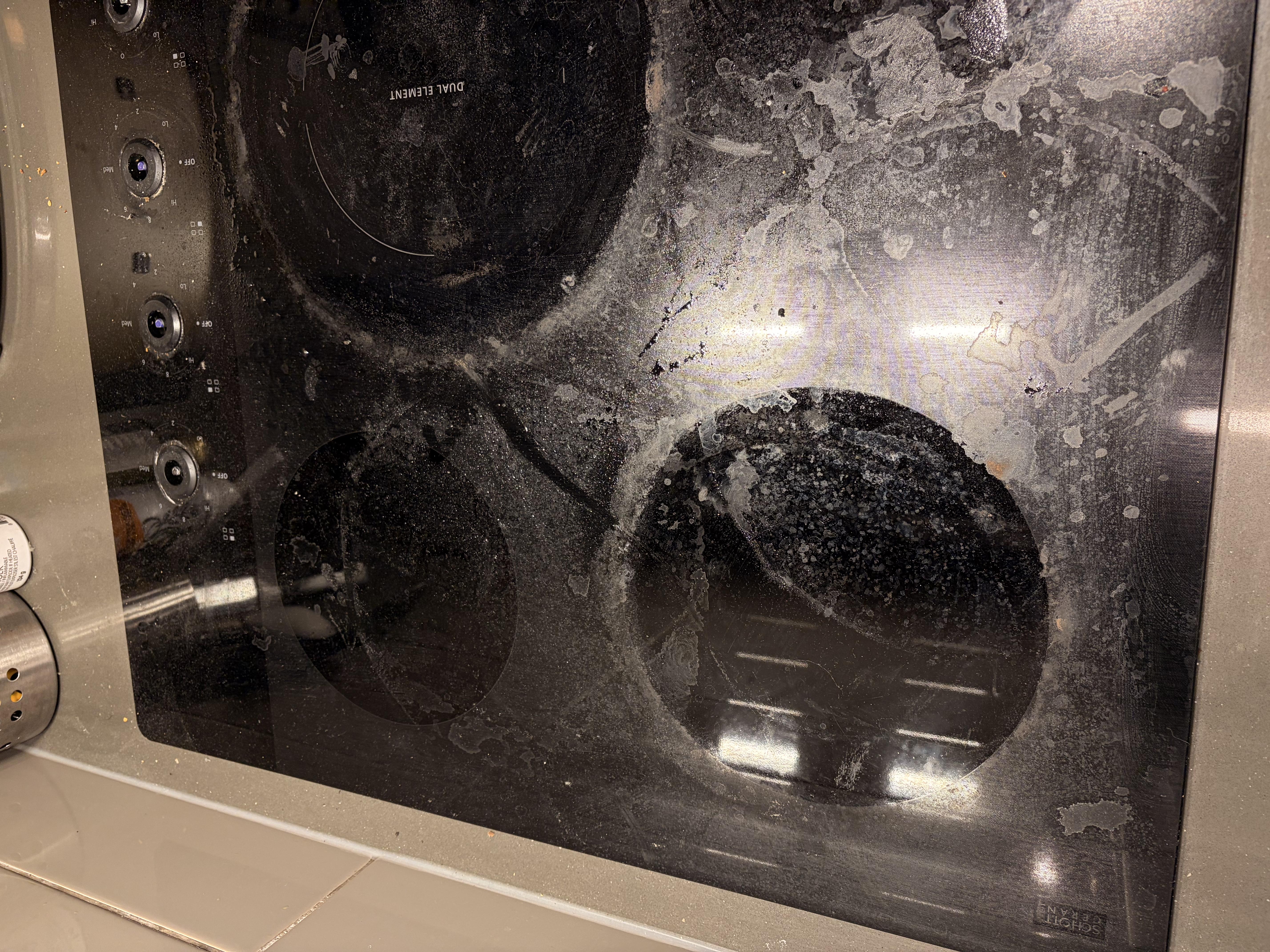
Over time, glass-ceramic cooktops can accumulate scratches from pots, pans, and cleaning tools. These imperfections not only detract from the cooktop's appearance but can also lead to greater issues if dirt and debris become trapped in the scratches. Regular polishing can:
- Remove minor scratches: Polishing helps to smooth out these blemishes, restoring the surface's integrity.
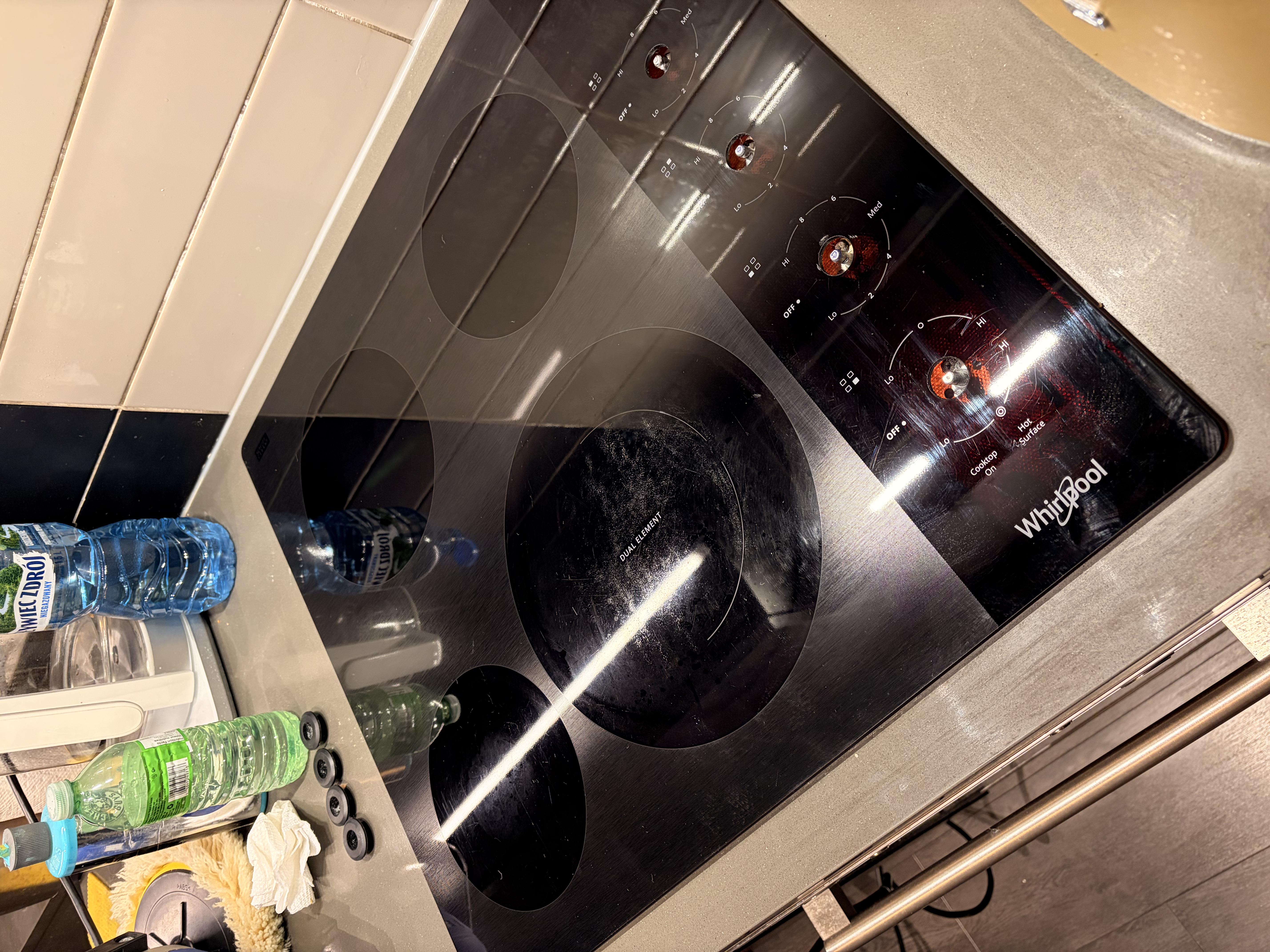
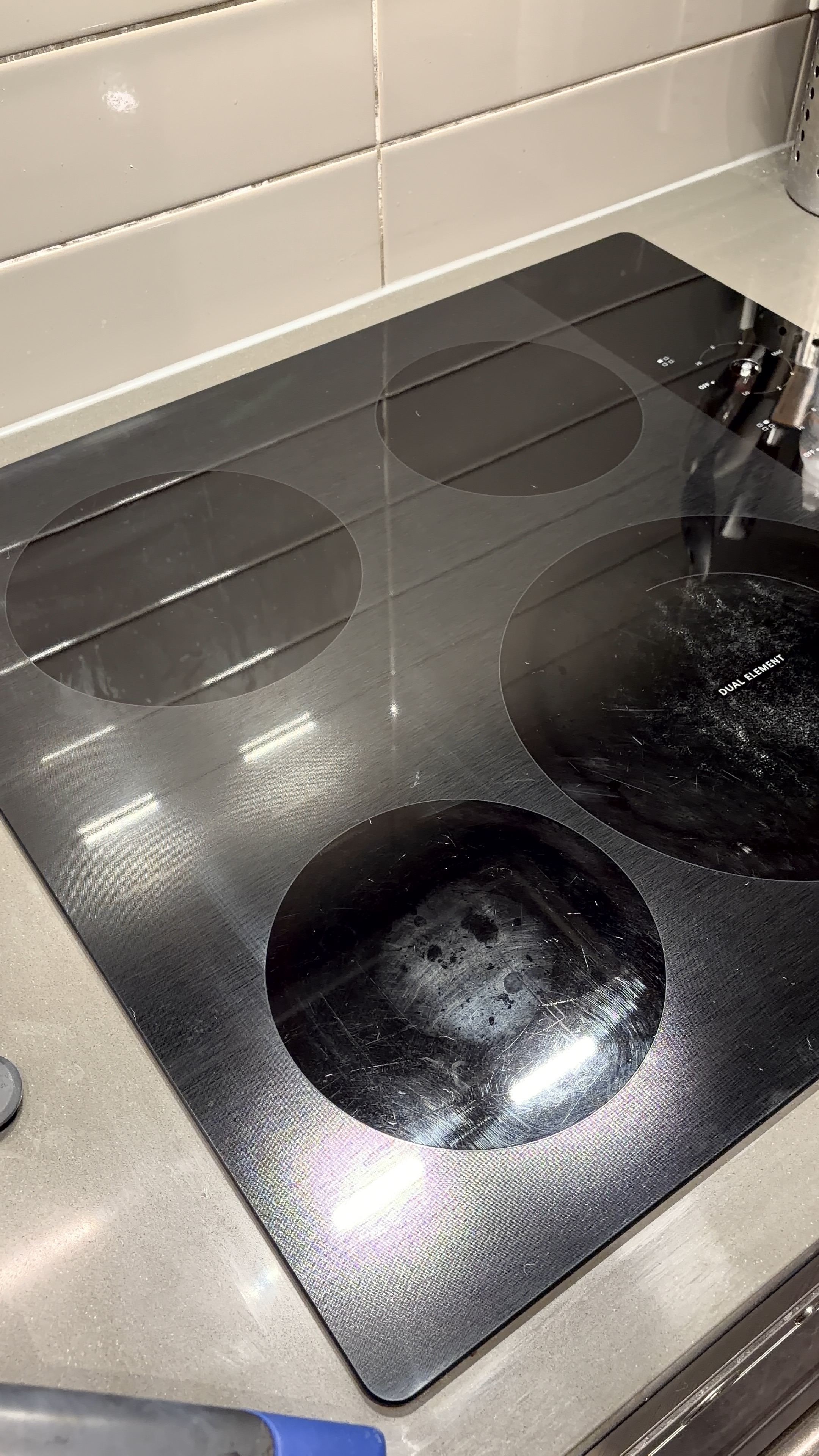
- Restore shine: A polished cooktop reflects light better, enhancing its overall look.
- Prevent dirt accumulation: A smoother surface is less likely to trap food particles and grime, making cleaning easier.
- Prolong lifespan: Maintaining the cooktop can prevent further damage and extend its usability.
The Polishing Process
To effectively polish a glass-ceramic cooktop, follow these steps:
- Gather your materials: You will need special polishing pastes designed for glass-ceramic surfaces, a microfiber cloth, and a soft applicator pad.
- Clean the surface: Before polishing, ensure the cooktop is free of grease and debris. Use a gentle cleaner and dry it thoroughly.
- Apply the polishing paste: Using the applicator pad, apply a small amount of polishing paste to the scratched areas. Be sure to follow the manufacturer's instructions for optimal results.
- Polish the surface: Using circular motions, gently buff the surface until the scratches begin to fade. Take care not to apply excessive pressure, as this could cause further damage.
- Wipe clean: After polishing, use a clean microfiber cloth to remove any residue from the paste, revealing a shiny, smooth surface.
Choosing the Right Products
When selecting polishing pastes and tools, it's crucial to choose products specifically formulated for glass-ceramic surfaces. Using the wrong products can lead to further scratches or damage. Look for:
- Non-abrasive polishing pastes: These are designed to be gentle on the surface while effectively removing scratches.
- Soft applicator pads: Foam or microfiber pads are ideal, as they prevent scratching while applying the paste.
Conclusion
In conclusion, polishing glass-ceramic cooktops is a vital maintenance task that helps maintain their aesthetic appeal and functionality. By regularly removing minor scratches and restoring the surface's shine, homeowners can ensure their cooktops remain in excellent condition for years to come. With the right tools and techniques, keeping your cooktop looking like new is a manageable task that pays off in the long run.
“Regular maintenance of your glass-ceramic cooktop not only enhances its appearance but also contributes to a more enjoyable cooking experience.”